POSSIBILITY of a SNOW DAY or DELAY or EARLY RELEASE from school. (But we keep going!)
Even IF there is a snow day–full cancellation, we still have work to do!
INTRODUCTION to Great Expectations.
1) On your lovely snow day (should we have one) READ THIS 10-page condensed version of the book.
2) ALSO read the following parables, which are alluded to, in Great Expectations. Many authors from the 17th through the 20th centuries pulled ideas, images, lessons, and stories from the Bible. It was the most widely-known book for hundreds of years; even peasants unable to read were familiar with the more common parables of Christ–stories that Jesus Christ (circa 1-34 AD) told to convey lessons.
Great Expectations draws upon several of these parables–ALLUSIONS, which are references to another work–essentially retelling these parables in the context of 1812-1840s Victorian England. If readers aren’t familiar with the parables, they miss important themes and ideas in the text. These parables are among the most well-known, their themes cropping up in a wide variety of novels, plays, and poetry.
Parables to read, in the King James Version (KJV), please–that’s the language Dickens and most of the authors would have been familiar with. You may read the photocopied pages I gave in class, read your own Bible, look up these versus on Google, or click on the links I’ve provided below.
Good Samaritan, Prodigal Son, Lost Sheep, Lost Coin, Young Rich Man, Rich Man and Lazarus
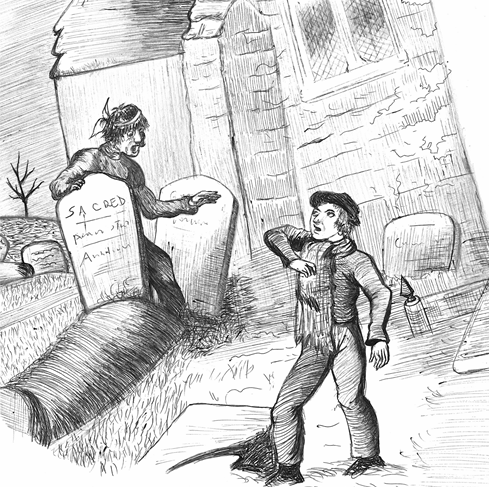
3) Remember to create the illustration of your segment of the story I handed out to you in class. Stick figures are absolutely fine. (If you spend more than 20 minutes on this illustration, you’re taking it too seriously.) However, if you’re bored like Talita was last year, and have a couple of hours to burn, you may certainly create a work of art to present to the class, as she did:
 AP Lit, Washington Academy